Hail & Storm Damage Roof Inspection in Spokane, WA
Severe Inland Northwest storms frequently inflict subtle yet devastating damage to residential and commercial roof assemblies. High-velocity wind shear lifts shingle tabs, breaking adhesive seals, while hail impacts and falling ponderosa pine branches crush ridge lines and fracture hidden fiberglass structural mats. Roof Expert USA coordinates comprehensive forensic storm damage inspections across Spokane, Spokane Valley, and Liberty Lake to evaluate structural integrity and compile objective documentation for insurance adjusters.
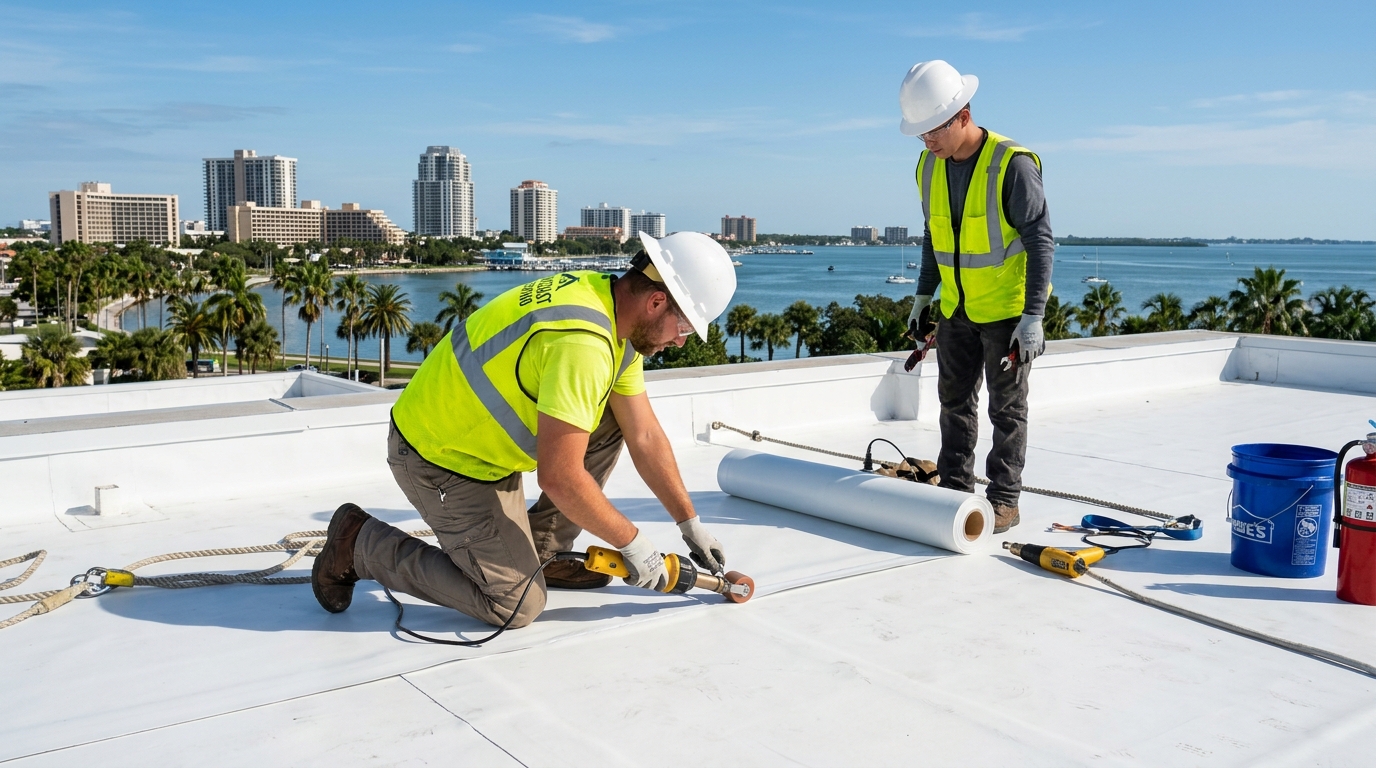
Key Technical Engineering Protocols • Spokane Field Operations
- Non-Destructive Diagnostic Mapping: Standardized Haag Engineering Test Square Methodology to document wind tab creasing and impact damage.
- Immediate Physical Containment: FLIR Infrared Thermal Moisture Scans to detect hidden water infiltration beneath intact shingles.
- Regulatory Code Adherence: Xactimate Industry-Standard Line-Item Scopes for transparent insurance carrier negotiations.
- Direct Dispatch Transparency: Independent Washington L&I Registered Contractor Referral ensuring unbiased assessment.
1. Regional Inland Northwest Climate Dynamics & Severe Storm Exposure
Wind and storm dynamics in the Spokane basin are intensified by regional topography. Storms pushing across the West Plains and channeling through the Spokane River Valley create violent, sustained winds that exploit loose shingle edges, creating negative aerodynamic pressure that pulls shingles upward. Even if shingles lay back down after the wind subsides, the factory thermal seal has been broken, allowing fine blowing snow and driving rain to penetrate the roof deck undetected.
2. Non-Destructive Moisture Diagnostics & FLIR Thermal Tracing
Forensic inspection protocols follow standardized Haag Engineering methodology. Certified inspectors establish 100-square-foot test squares on each roof plane, documenting wind creases, uplifted tabs, fractured fiberglass mats, and hail impact bruises. Collateral damage on soft metals—such as dented gutters, deformed ridge caps, and gouged exhaust vents—is meticulously recorded to establish storm direction and intensity. Dispatched technicians correlate exterior findings with attic-side FLIR thermal scans to detect concealed moisture infiltration.
3. Step-by-Step Substrate Restoration Methodology
Following on-site evaluation, technicians compile an exhaustive digital storm damage package. This technical dossier includes high-resolution macro photography with scale gauges, drone-assisted aerial photogrammetry of roof slopes, thermal moisture gradient maps of saturated decking, and a line-item scope of repair formatted in Xactimate software. This detailed documentation provides indisputable proof of storm-created loss, ensuring insurance carriers fulfill policy obligations under Washington insurance law.
4. Washington State Building Codes & Contractor Licensing Compliance
All participating inspectors hold active certifications and work in partnership with Washington L&I registered roofing contractors. Inspections comply with the Spokane Municipal Code, Washington State Building Code, and Office of the Insurance Commissioner (OIC) regulations governing fair claims settlement practices. Roof Expert USA operates as an independent dispatch desk; all forensic documentation belongs directly to the homeowner to guide repair authorization.
5. Preventative Property Maintenance & Winter Storm Preparedness
Homeowners should schedule a comprehensive storm inspection promptly following any storm event with recorded wind gusts exceeding 45 mph or after heavy hail and limb impacts. Timely documentation within 30 to 60 days of the weather event prevents insurance adjusters from categorizing storm damage as pre-existing age or wear-and-tear. Furthermore, inspecting gutters for excessive mineral granule accumulation provides vital early warning of shingle degradation.
On-Site Emergency Triage & Homeowner Safety Protocols
While awaiting on-site contractor arrival, prioritize life-safety over physical property preservation. Never step onto an icy, wet, or snow-covered roof slope, as sub-zero frost offers zero friction and presents severe fall hazards. If water is dripping near recessed canister lights, ceiling fans, or distribution panels, immediately switch off the associated circuit breakers at your main electrical electrical panel.
Relieve hydraulic pressure behind bulging drywall bubbles by piercing the center with a screwdriver over a collection bucket; this controlled drainage prevents sudden wide-scale drywall collapse. Move furniture and electronics to unaffected areas and keep ventilation flowing to slow interior moisture saturation.
Frequently Asked Questions: Wind & Storm Damage Inspection
How do I know if high winds damaged my roof if shingles aren't missing?
Wind shear breaks the thermal sealant adhesive strip beneath shingle tabs without blowing the shingle off completely. Once unsealed, shingles flap in subsequent breezes, creasing the fiberglass mat and allowing winter snow melt suction that rots the deck.
What is a Haag-certified inspection?
Haag certification represents the gold standard in forensic storm damage assessment. Haag-trained inspectors use objective engineering principles to differentiate between authentic storm impacts and manufacturing defects or normal thermal aging.
Will my insurance company accept the contractor's inspection report?
Yes. Dispatched contractors format inspection findings, aerial measurements, and repair scopes using Xactimate pricing software—the same platform utilized by major insurance carriers across Washington.
Need Immediate Assistance with
Speak directly with on-call dispatch coordinators to route licensed Washington L&I roofing contractors equipped for rapid mitigation. Strictly zero web forms.
DISPATCH HOTLINE: (888) 208-4155 CALL: (888) 208-4155